Source No Plaster Needed Dental Articulator for Labs, Clinics, Schools
Compare 30 no plaster needed dental articulator models from verified Chinese suppliers. Buyers can evaluate specifications, prices, and certifications for dental lab and orthodontic applications. These manual devices feature stainless steel construction and come with onsite training or online support options.
Key considerations
Products List
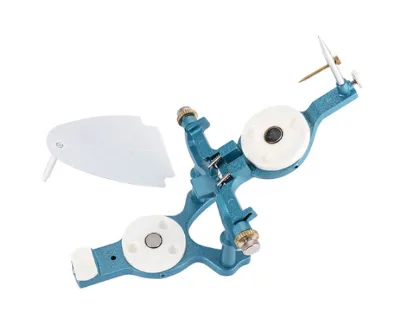


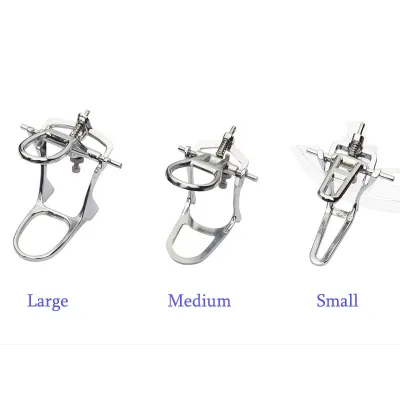


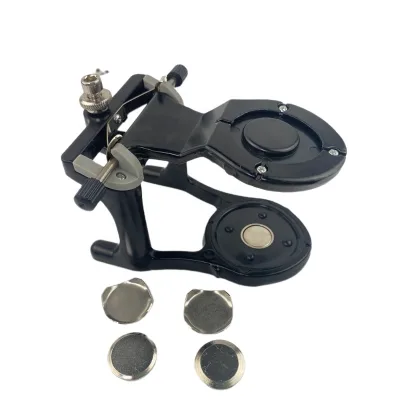


Comprehensive Sourcing Guide
No Plaster Needed Dental Articulator Sourcing Guide
Procuring a no plaster needed dental articulator requires distinguishing between manual and automated systems, as the supplied data confirms manual power sources for specific models like the PM1101. Buyers must verify that the "no plaster" feature aligns with the intended workflow, ensuring the device supports the specific articulation needs of a dental laboratory without requiring traditional mounting materials. The observed product range includes various models such as the Jt-02b and Jt-06b, which serve as critical reference points for understanding the mechanical diversity available in the current market.
The market signals indicate a significant variation in product attributes, ranging from stainless steel construction to general metal compositions, which directly impacts durability and precision. Sourcing teams should prioritize suppliers who explicitly define the material composition, as the distinction between stainless steel and generic metal affects the instrument's resistance to corrosion and its suitability for long-term clinical use. Understanding these material differences is essential for selecting a unit that meets the rigorous hygiene standards required in modern dental laboratories.
Product Scope and Observed Listing Signals
The observed product listings reveal a diverse scope of dental articulators, with specific models like the PM1101 and the Jt series offering distinct capabilities for different laboratory applications. Buyers should note that while some units are classified as Class I instruments, others are designated as specialized equipment for orthodontic departments, necessitating a careful review of the intended usage to ensure compatibility with existing lab workflows. The presence of multiple model numbers suggests that the "no plaster" functionality may vary in implementation across different manufacturers and design iterations.
Listing signals also highlight significant variations in packaging and shipping details, with some units packed individually in boxes while others are shipped in large cartons containing up to forty pieces. This inconsistency in packaging details, such as the 563564cm carton versus the 144mm84mm67mm box, requires buyers to calculate logistics costs accurately and verify that the packaging protects the delicate mechanical components during transit. Additionally, the availability of customization options indicates that suppliers may offer tailored solutions, but these must be confirmed before finalizing any procurement agreement.
Technical Specifications to Verify
Technical verification must begin with the power source and classification, as the data confirms manual operation for certain models while others may differ in their mechanical actuation. Buyers should explicitly confirm whether the articulator operates via a manual crank or an alternative mechanism, as this dictates the operator's physical interaction and the precision of the occlusal simulation. The classification as a Class I instrument suggests a lower risk profile, but the specific mechanical design, such as the size being categorized as "big" or "large," must be validated against the physical space available in the dental laboratory.
Material composition is another critical specification, with listings citing both stainless steel and general metal as primary construction materials. Procurement teams must verify the exact alloy grade to ensure the device can withstand repeated sterilization cycles and the mechanical stress of daily use without degrading. Furthermore, the size specifications, which range from small to large, must be matched to the specific requirements of the dental cases being processed, ensuring that the articulator can accommodate the necessary range of motion for accurate dental restoration fabrication.
Compliance and Safety Documentation
Compliance verification is paramount, as the supplied facts indicate that some products carry CE certification while others reference ISO and FDA standards. Buyers must request current, valid certificates for the specific model being purchased, as the presence of a certification on a general listing does not guarantee that every unit in the supply chain meets the same regulatory requirements. The distinction between CE, ISO, and FDA standards is crucial for ensuring that the equipment complies with the specific regulatory environment of the buyer's region and the intended clinical application.
Safety documentation should also include detailed warranty terms and after-sales service provisions, which vary from one-year warranties to onsite training and online technical support. It is essential to confirm the duration and scope of the warranty, as well as the availability of spare parts, to mitigate the risk of operational downtime. The presence of a three-year shelf life for certain components suggests a focus on long-term reliability, but buyers must verify that this applies to the specific mechanical parts and not just the packaging or non-functional accessories.
Cost Drivers and Commercial Terms
Cost drivers in this category are heavily influenced by the material composition, with stainless steel models likely commanding a premium over general metal alternatives due to enhanced durability and corrosion resistance. Buyers should analyze the price range observed, which spans from 0.45 to 842 USD, to understand the correlation between price and the level of precision or material quality offered. The wide variance suggests that lower-priced items may be basic models, while higher-priced units likely include advanced features or superior build quality that justifies the investment.
Commercial terms such as Minimum Order Quantity (MOQ) and supply ability are critical factors in the procurement strategy, with observed MOQs ranging from one to 500 units. Suppliers with a supply ability of 10,000 sets per week can accommodate large-scale orders, but buyers must verify if this capacity is consistent and if it impacts lead times for custom orders. The selling units being listed as single items indicates flexibility for small purchases, yet bulk pricing structures should be negotiated to optimize the total cost of ownership for the dental laboratory.
Supplier Qualification and Quality Control
Supplier qualification requires a thorough assessment of the place of origin, as the data points to manufacturers in Hainan and Hebei, China, which may have different quality control infrastructures. Buyers should investigate the specific manufacturing capabilities of the supplier in these regions to ensure they adhere to consistent quality standards, particularly given the variation in product names and model numbers across different listings. The presence of multiple brands, such as NewMien and Umg, suggests a competitive market where brand reputation and historical performance should be key evaluation criteria.
Quality control processes must be verified through the supplier's adherence to the stated standards, including ISO and CE certifications, and their ability to provide test results for the specific articulator models. Buyers should request evidence of the production process, including how the stainless steel or metal components are treated and assembled, to ensure the final product meets the required precision and safety standards. The availability of onsite training as an after-sales service is a strong indicator of a supplier's commitment to product quality and customer support, which should be factored into the supplier selection process.
Long-Term Procurement Checks
Long-term procurement checks should focus on the shelf life and condition of the equipment, as the data indicates a three-year shelf life and a "new" condition for the products. Buyers must establish a protocol for regular maintenance and inspection to ensure that the articulators remain functional and accurate over time, particularly given the non-disposable nature of the equipment. The "un-waterproof" feature noted in the specifications requires careful handling and storage procedures to prevent damage from moisture, which could compromise the mechanical integrity of the device.
Finally, buyers should monitor the availability of after-sales support, including online technical support and onsite training, to ensure that any operational issues can be resolved promptly. The nature of the equipment as public or specialized equipment implies that it may be used in high-volume settings, making reliable support essential for maintaining workflow efficiency. Establishing a long-term relationship with a supplier who can provide consistent quality and support is crucial for the sustained success of the dental laboratory's operations.
FAQs
What is the primary material used for these dental articulators?
The primary material used for these dental articulators is stainless steel or metal. This construction ensures durability and resistance to corrosion in a dental lab environment. The silver-colored finish provides a professional appearance while maintaining structural integrity during repeated use by technicians.
Which certifications are available for these dental lab articulators?
These dental lab articulators are available with CE, ISO, and FDA quality certifications. These standards ensure the equipment meets international safety and performance requirements for dental laboratories. Buyers can verify these credentials to ensure compliance with local regulatory standards for medical and dental device usage.
Can these articulators be customized for specific laboratory needs?
Yes, customization is available for these articulators to meet specific laboratory requirements. Buyers can request modifications to suit their unique workflow or technical specifications. This flexibility allows dental professionals to tailor the equipment precisely to their operational needs without compromising on quality or standard performance metrics.
What is the typical packaging size for these dental articulators?
The typical packaging size is 56x35x64cm per carton, containing 40 pieces. Individual units are packed in boxes measuring 144x84x67mm. This standardized packaging facilitates efficient shipping and storage, ensuring the equipment arrives safely at dental labs while optimizing logistics costs for bulk orders from suppliers.
How is the after-sale service provided for these instruments?
After-sale service includes onsite training and online technical support. This dual approach ensures users receive comprehensive guidance on proper usage and maintenance. Buyers benefit from direct assistance for complex issues and remote support for routine inquiries, ensuring minimal downtime and optimal performance of the dental articulators in daily operations.
What is the supply ability for these dental articulators?
The supply ability is 10,000 sets per week. This high capacity ensures consistent availability for large dental laboratory orders. Buyers can rely on this production rate to meet urgent procurement needs without significant delays, making it suitable for both small clinics and large-scale manufacturing facilities requiring steady equipment supplies.